
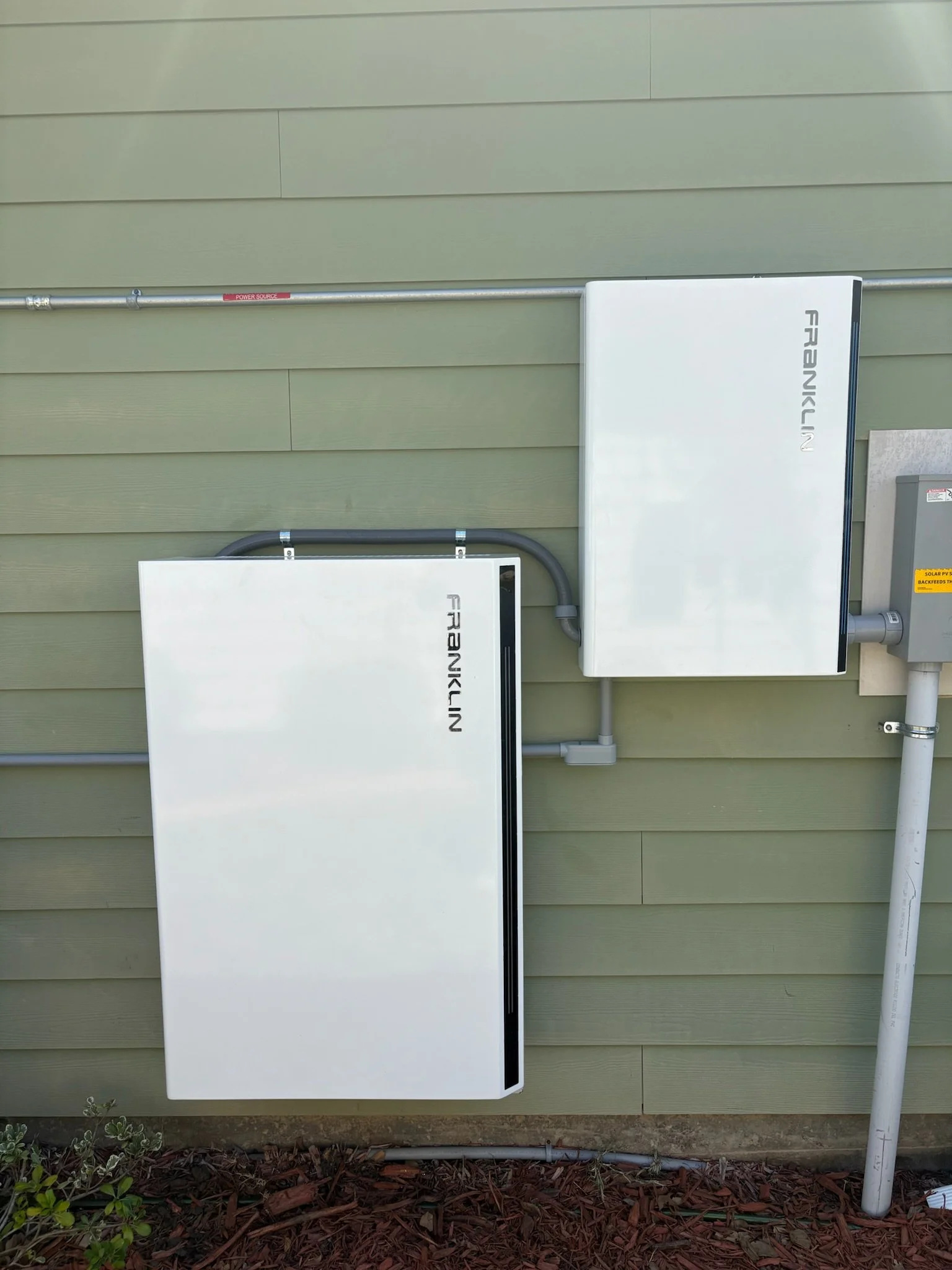
Grid-Tied Battery vs. Generator: Make Your Backup Power Work for You
When homeowners think about backup power, a generator is usually the first option they consider.
It makes sense. A generator gives you power when the grid goes down.
But there is a major financial difference between a generator and a grid-tied battery:
A generator is an expense. A grid-tied battery is an investment.
A Generator Costs You Money
When you purchase a generator, you’re paying for one primary purpose: backup power.
You pay for the generator and installation. You also have ongoing costs such as maintenance, servicing and fuel.
It sits there waiting for the next outage
And when the power is on, the generator isn’t doing anything to reduce your electric bill, but it is costing you money every month and yearly maintenance.
You are paying for protection, but you’re not getting a financial return from your investment.
A Grid-Tied Battery Works Every Day
A grid-tied battery is different because it doesn’t just sit there waiting for an outage.
It works as part of your home’s energy system every day.
During higher-cost peak periods, the battery supplies power to your home instead of relying on electricity from the grid.
That means the battery is actively working to reduce your energy costs while the grid is operating normally.
And when the grid goes down?
The battery provides backup power to keep your home running.
So you’re getting two important benefits from the same investment:
Daily energy savings + backup power.
That’s Where the Financial Advantage Comes In
A generator continues to cost you money month after month and year after year.
A grid-tied battery works toward paying back its investment through the energy savings it creates
Once the battery has paid for itself, the savings continue.
That’s the fundamental difference: A generator provides backup power.
A grid-tied battery provides backup power while also working to reduce your energy costs.
You’re not simply buying something for the next power outage.
You’re investing in an energy system that works for your home every day and saving you money!
Before You Buy a Generator, Look at the Numbers
If you’re considering backup power, don’t automatically assume a generator is the best financial choice.
Let’s look at what your home actually uses, what you’re paying for electricity and how a grid-tied battery would work with your energy profile.
I’ll show you the numbers side by side—so you can see exactly what you’re paying for and what your investment can do for you.
Your backup power shouldn’t just protect your home.
It should work for you…every single day.